Skin Care
Bumpy, dry, textured patches—definitely not what you want for your skin.
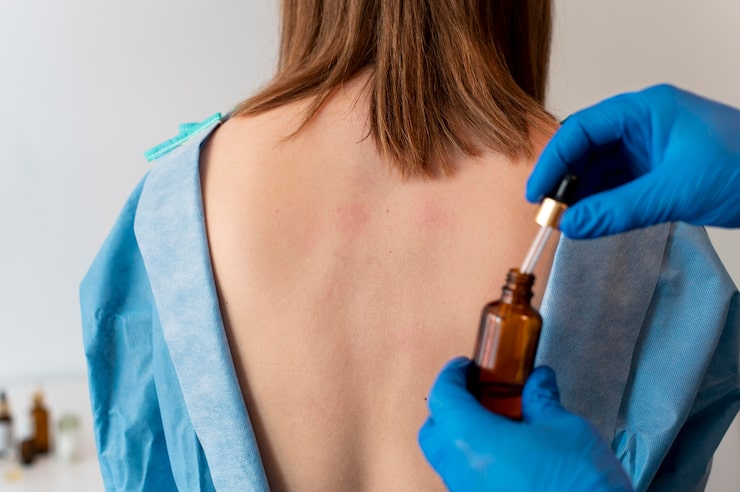
If you’ve spotted tiny bumps or rough patches on the backs of your arms (or on your legs or face), you’re not alone. This common, annoying condition is called keratosis pilaris. The good news: it’s manageable, and you don’t have to live with the bumps forever.
What Is Keratosis Pilaris and What Causes It?
Keratosis pilaris is a harmless, painless skin condition. The small red bumps and dry patches are often called “chicken skin.” It can flare up in dry seasons when humidity is low.
Keratosis pilaris happens when keratin—a protein that helps protect the skin—builds up at the opening of hair follicles. That buildup creates tiny plugs that block follicles and lead to the rough, red bumps you see.
Dermatologists don’t know everything about why it occurs, but some common triggers include dry weather, hormonal changes, and a tendency toward conditions like atopic dermatitis.
Differences Between Keratosis Pilaris, Acne & Milia
Seeing rough, dry patches or little red bumps can be worrying, but keratosis pilaris isn’t painful and usually doesn’t itch or burn. It’s often confused with acne or milia, but there are key differences:
– Acne: caused by oil and dead skin clogging hair follicles, which can lead to bacteria and inflammation.
– Milia: tiny white or yellow bumps from trapped cells or keratin beneath the skin, usually on the chin, nose, or cheeks.
– Keratosis pilaris: small red bumps over a larger area like the arms or legs, often with dry, textured skin.
How to Get Rid of Keratosis Pilaris
With a steady skincare routine, you can reduce the appearance of chicken skin. Try these steps:
– Skip harsh products
Your skin is already dry and rough, so avoid strong, irritating ingredients. Use gentle, nourishing products instead. Facial Recovery Oil can be used on the body and contains soothing ingredients like clary sage oil and olive oil.
– Exfoliate regularly
Keep dead skin from building up by exfoliating. Sugar or salt scrubs gently remove dry skin without harshness. A loofah or sponge can help with daily buffing. For the face, use a physical exfoliant with lactic acid or other AHAs to improve texture and remove dead skin.
– Take lukewarm baths and showers
Hot water strips natural oils and makes dryness worse. Lukewarm water is kinder and helps your skincare products work better.
– Moisturize often
Apply moisturizer after bathing to lock in hydration. Because keratosis pilaris is linked to dry skin, staying hydrated is key. Mangosteen Body Lotion is a favorite—it moisturizes and resurfaces with its Lactic Acid Complex.
– Avoid tight clothing
Tight clothes can rub the skin and disrupt its barrier, causing more irritation, dryness, and clogged pores. Looser clothing can help the skin heal.
– See a skincare professional
If you don’t see improvement in a few weeks, consult an esthetician or dermatologist for targeted treatment.
Important: consistency matters. If you stop your routine, the bumps often come back. To keep keratosis pilaris under control, check in with your Eminence Organics spa partner for a virtual consult or an in-spa visit.
Find out more from our Lead Skin Care Trainer Natalie Pergar about how to get rid of keratosis pilaris.
Have you noticed these bumps on your body or face? Tell us how you manage them in the comments below or share on social media.