Professional Skin Care
If clients want a more lifted, sculpted look, consider offering a microcurrent facial. Often called a “non-invasive facelift,” this treatment uses very low electrical currents to gently stimulate facial muscles—think of it as a workout for the face. Results can include more defined cheekbones, lifted brows and tighter-looking skin, all with no downtime and no damage to the skin. Read on to learn more about microcurrent facials and whether they belong on your spa menu.
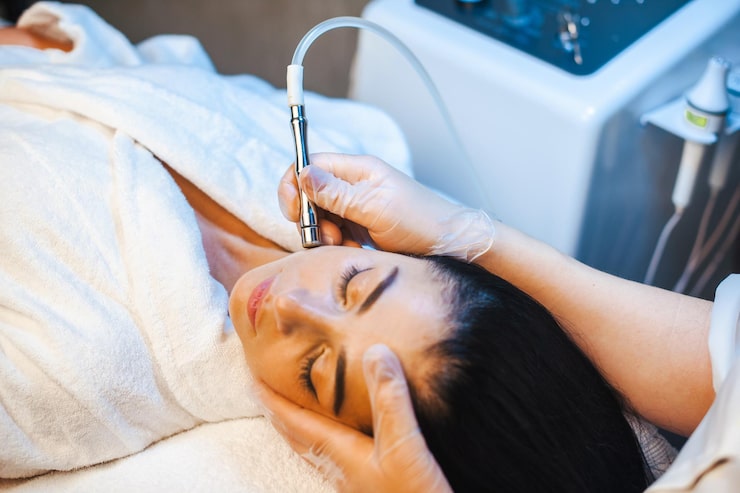
Table of Contents
Jump to…
What Is a Microcurrent Facial?
How Does It Work?
Benefits of Microcurrent Facials
Aftercare
What Is a Microcurrent Facial?
A microcurrent facial starts much like a regular facial, with cleansing, exfoliation, masking and optional add-ons such as LED light therapy. Before the microcurrent stage, a water-based conductive gel is applied to help the current reach the muscles and prevent any stinging.
Celebrity facialist Joanna Vargas, known for her microcurrent work, explains that the treatment uses two handheld prongs that deliver controlled energy to the skin. This helps stimulate collagen production in the deeper layer of skin while smoothing signs of aging on the surface.
How Does a Microcurrent Facial Work?
Microcurrent therapy has been used by doctors and physiotherapists since the 1980s to stimulate muscles for pain relief and for conditions like Bell’s palsy. When the beauty industry noticed its lifting effects, devices were adapted for facial treatments.
Think of microcurrent like exercise for facial muscles. Just as regular workouts build strength and tone the body, microcurrent stimulates the face to become firmer over time. The treatment boosts production of ATP (adenosine triphosphate), the cell’s energy molecule that helps muscles contract and function. Research has shown that the small amount of electricity in microcurrent devices increases ATP production, helping muscles contract and strengthen with repeated sessions.
Benefits of Microcurrent Therapy
One big advantage of microcurrent facials is that many clients see immediate results, making it a popular non-invasive option. The treatment also functions like a lymphatic drainage massage because it targets many pressure points, which often leads to a more defined appearance.
Microcurrent helps tighten and smooth facial muscles and connective tissue, and can reduce wrinkles—especially on the forehead. Clients often notice lifted, more sculpted and refreshed features. The treatment may also improve blood flow and stimulate collagen in the dermis, giving skin a healthier, plumper look.
Beyond cosmetic benefits, microcurrent can help with faster wound healing, relieve sinus-related pain, and improve function in weakened muscles, according to Medical News Today.
Cost of Treatment
Microcurrent therapy is available both in spas and for at-home use. In-office devices tend to be stronger and more effective, while at-home devices are great for regular maintenance—consistent treatments are key for lasting results.
Prices vary by location and practitioner experience. Typical in-office sessions range from about $200–$600, while at-home devices usually cost between $180–$500, depending on size and power.
Is Microcurrent Right for Everyone?
Microcurrent facials are suitable for most skin types, making them a versatile addition to treatment menus. However, people with pacemakers, metal implants or who are pregnant should avoid microcurrent. Clients with severe, inflamed acne should also skip it, as the currents could worsen inflammation.
Avoid microcurrent for at least two weeks after Botox or fillers to prevent shifting products. After that period, microcurrent can actually enhance and extend the results of those treatments.
Microcurrent Aftercare Tips
Because microcurrent is non-invasive and has no downtime, aftercare is simple. Be gentle with the skin after treatment and avoid harsh scrubs or strong actives like retinol—especially if exfoliation was part of the session. Otherwise, clients can return to normal activities right away; significant redness or irritation is not expected.
Note: This information is intended for licensed and certified spa professionals only. Before offering microcurrent treatments, spa staff must ensure they are properly trained and certified, follow safety guidelines, and adhere to their professional licensing rules.
Have you added microcurrent to your spa menu? Share your experience in the comments and join the conversation on social media. You can also learn how to become an Eminence Organics Spa Partner here.