Mar 6, 2025
Categories: Skin Care
Daily sun protection is essential for keeping your skin healthy and youthful. But which sunscreen should you choose? Sunscreens fall into two main types: chemical and mineral (also called physical). Both protect against the sun, but they use different active ingredients and work in different ways. Read on to understand the differences and learn why mineral sunscreen might be a good choice.
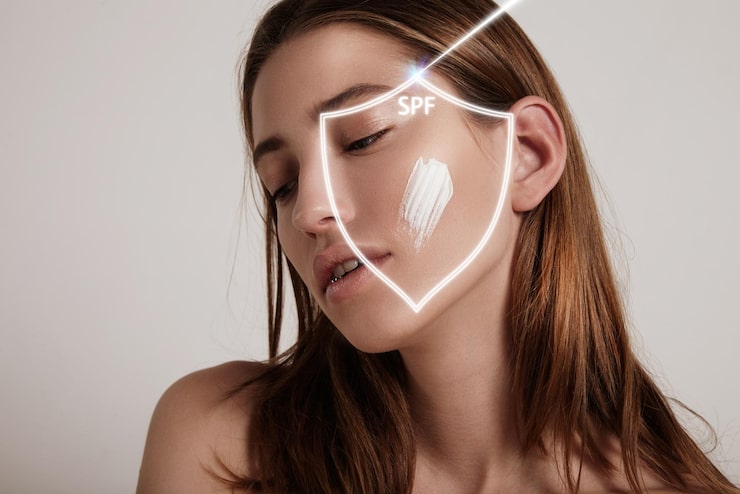
Table of contents
Jump to…
– Mineral vs. Chemical Sunscreen
– Mineral Sunscreen Benefits
– Dermatologist-Recommended Mineral Sunscreen
Mineral vs. Chemical Sunscreen: The main difference
Sunscreen helps protect skin from sunburn, sun damage and skin cancer, and it also reduces visible signs of aging like fine lines and roughness. There are two main kinds: chemical and mineral.
Chemical sunscreen
Chemical sunscreens are often called “absorbers.” They use organic (carbon-based) ingredients that absorb UV rays. These ingredients convert UV energy into heat, which is then released from the skin.
Common chemical sunscreen ingredients include:
– Oxybenzone
– Octinoxate
– Octocrylene
– Avobenzone
– Octisalate
– Homosalate
These ingredients do block UV rays, but some can be absorbed into the skin.
Mineral sunscreen
Mineral sunscreens, also known as “reflectors,” work by sitting on top of the skin and reflecting UV rays away. Their main active ingredients are zinc oxide and titanium dioxide. These minerals form a barrier that keeps UV rays from reaching the skin.
Mineral formulas are good for many skin types. Board-certified dermatologist Dr. Markowitz told Glamour that they’re especially suited for sensitive or acne-prone skin because they’re less likely to clog pores or cause irritation. Mineral sunscreens are also usually reef-friendly. We’ll look more closely at these benefits below.
Why the difference matters
Some people worry about the fact that chemical sunscreen ingredients can be absorbed through the skin. A recent study showed that certain chemical sunscreen ingredients, like oxybenzone and avobenzone, can enter the bloodstream after a single use. The FDA’s Director, Dr. Janet Woodcock, said the study shows some absorption but more research is needed. By contrast, zinc oxide and titanium dioxide used in mineral sunscreens are recognized as safe by the FDA.
If you prefer a cautious approach, mineral sunscreens offer a physical shield instead of ingredients that penetrate the skin. Another practical difference: chemical sunscreens need about 20–30 minutes after application to start working, since they must be absorbed first.
Mineral sunscreen benefits
If you’re still deciding, here are more reasons to consider mineral sunscreen.
Reef friendly
Chemical sunscreen ingredients may harm coral reefs and marine life. Mineral sunscreens are often chosen by beachgoers and travelers because they avoid those chemicals.
Suitable for all skin types
Mineral sunscreens are generally hypoallergenic and non-comedogenic. Their anti-inflammatory properties make them gentle on sensitive skin, and they’re less likely to clog pores, so they’re a good choice for acne-prone skin. There are mineral formulas made for dry, combination and normal skin, so you can find one that fits your needs.
Broad-spectrum protection
Mineral sunscreens reflect both UVB and UVA rays. UVB causes sunburn and surface symptoms like redness and dryness. UVA penetrates deeper and contributes to premature aging and increased skin cancer risk.
Dermatologist-recommended mineral sunscreens
Many dermatologists prefer mineral sunscreens for their benefits. Dr. Hooman Khorasani, MD, a board-certified dermatologic and skin cancer surgeon in New York City, says he “loves” when patients use mineral sunscreen.
“I recommend mineral sunscreen to patients with skin inflammation, sensitivity, acne-prone skin, or those who’ve had in-office energy-based procedures,” Dr. Khorasani says. “Mineral sunscreens reflect UV rays and don’t trap heat in the skin like chemical blockers. They’re generally gentler on both skin and the environment.”
Zinc oxide is the key ingredient in most mineral sunscreens. The best products avoid harmful additives and use non-nano zinc oxide, which is considered safer for skin and the environment.
What is zinc oxide?
Zinc oxide has come a long way from the thick white pastes used in the past. Today, it’s found in lightweight, blendable formulas that offer protection with a more natural finish.
Zinc oxide helps keep skin cool
Unlike chemical sunscreens that absorb UV rays and convert them to heat, zinc oxide reflects UV energy and helps the skin stay cool. That can reduce inflammation and redness from acne, rosacea and sensitivity.
Zinc oxide provides physical protection
Zinc oxide is made by combining zinc with oxygen to form a fine powder that sits on the skin and blocks UVA and UVB rays. This physical barrier is what makes it effective in mineral sunscreens.
Supports collagen production
Sun exposure breaks down collagen, the protein that keeps skin firm and elastic. Zinc helps with collagen production by activating enzymes that support tissue repair and maintenance.
Good for breakout-prone skin
Zinc oxide can help reduce skin inflammation, slow the growth of acne-causing bacteria, and regulate oil production. It also tightens the look of pores and can improve uneven texture.
Will you add a mineral sunscreen to your routine? Share your thoughts in the comments and join the conversation on social media. Try our all-mineral SPF moisturizers and sunscreens at an Eminence Organics Spa Partner near you.