Lifestyle & Wellness
A cup of tea is a lovely afternoon boost — and it’s just as good for your skin. Tea can fight free radicals, smooth fine lines, and help remove dead skin cells, which is why it’s become a popular ingredient in skincare. Read on to see whether this age-old drink could be right for your skin.
A Brief History of Tea
Tea’s story starts in China around 2737 BCE. Legend has it that Emperor and herbalist Shen Nung was boiling water when leaves from a nearby Camellia sinensis tree blew in and infused the water. He tasted the brew, and tea was born.
All traditional teas come from the leaves and buds of the Camellia sinensis plant, native to the borderlands between northern Burma and southwestern China. What makes each tea different is how the leaves are processed — especially their level of oxidation. Green tea is minimally oxidized, while black tea is fully oxidized. For skincare, green tea and matcha are especially popular, but black, white, and kombucha also offer benefits.
What Are the Benefits of Tea for Skin?
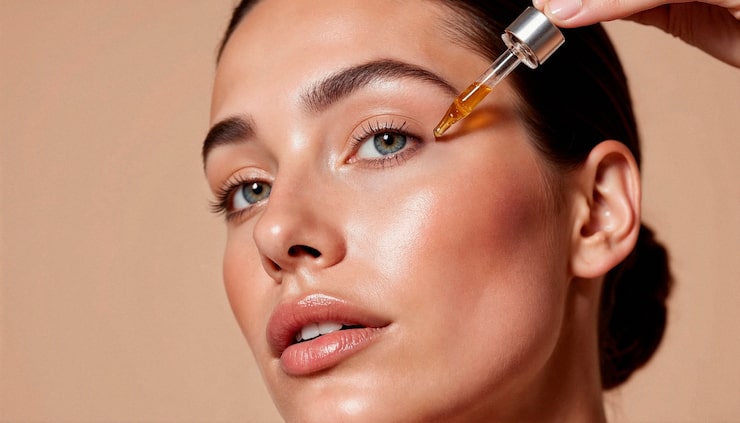
Tea contains active compounds shown by research to hydrate skin and protect it from aging and environmental damage. Antioxidant polysaccharides help fight free radicals and attract and hold moisture. Polyphenols absorb UV radiation before it can harm the skin and penetrate deep enough to inhibit enzymes that break down collagen and elastin. They also support hyaluronic acid to keep skin hydrated and reduce inflammation, which improves microcirculation. Now that we’ve covered the science, here’s which teas help most.
Green Tea
Commonly paired with sushi, green tea is mostly grown in Japan. Its leaves are harvested, withered, and steamed to keep them green and unoxidized. Green tea is rich in EGCG, a powerful polyphenol with antioxidant, anti-inflammatory, and antibacterial effects. EGCG helps reduce UVB-induced redness and is being studied for wound healing and scar reduction. It also penetrates the outer skin layers, where it helps moisturize and smooth roughness and wrinkles.
Matcha Tea
Matcha, another Japanese favorite, is also green but grown differently: plants are shaded about a month before harvest to raise chlorophyll and amino acid levels. Matcha powder is especially nourishing and helps revive tired, oxygen-deprived skin. It reduces inflammation and shields skin from free radical damage.
White Tea
White teas like Bai Mu Dan (White Peony) and Yin Zhen Bai Hao (Silver Needle) come from young buds and leaves picked once each spring. They’re barely processed — not oxidized or rolled — so cell walls stay intact and the plant’s delicate compounds remain. White tea offers anti-inflammatory and antibacterial benefits and may boost hyaluronic acid activity for a plumper, more hydrated appearance.
Black Tea
Black tea, such as pu’er from China’s Yunnan province, is the most oxidized because the leaves are dried, rolled, ground, and fermented. Black tea extracts are newer to skincare but show promise: tannins can help protect skin from environmental damage, and they offer antibacterial, nourishing, and hydrating properties. Black tea also contains caffeine, which can stimulate microcirculation and help reduce under-eye puffiness.
Kombucha
Kombucha is made by fermenting black tea with sugar, yeast, and bacteria. As a drink, its probiotics support gut health; on the skin, kombucha can help balance the microbiome and encourage a healthy mix of bacteria — helpful for acne- and rosacea-prone skin. It’s also a natural exfoliant and antioxidant.
Darjeeling Tea
Often called the “Champagne of teas,” true Darjeeling is grown in select plantations at the foothills of the Himalayas in West Bengal, India. Grown at high elevations, these teas develop a distinct flavor and aroma. Darjeeling’s natural antioxidants can support healthy skin, while its polyphenols help fight inflammation.
Pineapple Tea
Pineapple tea — made by boiling pineapple rinds — releases bromelain, an enzyme known for aiding digestion and gently exfoliating the skin. Bromelain helps dissolve the proteins that hold dead skin cells together, clearing the way for a brighter, smoother complexion. If you’re after bromelain benefits, look to our Pineapple Refining Tonique.
Tea for Different Skin Types
Dry Skin
If you have dry or pollution-sensitive skin, look for products with hydrating green or white tea extracts, or oxygen-boosting matcha. These teas help protect from sun and environmental stress while improving moisture levels.
Oily Skin
For oily, acne-prone skin, choose products with antibacterial and anti-inflammatory matcha, kombucha, or white tea to detox and calm the skin. Green tea can also help reduce sebum production.
Mature Skin
Mature skin can benefit from black tea’s plumping effect and green tea’s moisture retention. White tea also gently firms and reduces the look of fine lines. Any of these teas can be a good match for aging skin.
Tea Ritual
Start with a cleanser rich in kombucha and white tea, like the Kombucha Microbiome Foaming Cleanser, then follow with a leave-on Kombucha Microbiome Balancing Essence and the Kombucha Microbiome Luminosity Serum to boost radiance. For hydration, reach for a green tea–heavy Stone Crop Serum throughout the day to help skin look firmer and more protected. Finish baths or showers with a green tea–infused Cranberry Pomegranate Sugar Scrub.
Want to add tea benefits to your skincare routine? Visit your nearest Eminence Organics Spa Partner to learn more.
Product Picks
Kombucha Microbiome Leave-On Masque
With pre, pro and postbiotics
$70.00
Kombucha Microbiome Balancing Essence
With pre, pro and postbiotics
$52.00